ADHD Time Management: 5 Strategies That Work With Your Brain, Not Against It
Five ADHD time management strategies built on the social model: different, not broken. Practical, brain-first systems from an ADHD leadership coach.
Writing
Thoughts, insights, and stories on personal growth, creativity, and meaningful connection — through the written word.

Five ADHD time management strategies built on the social model: different, not broken. Practical, brain-first systems from an ADHD leadership coach.

Executive function is often described as if it were a private flaw: a broken internal manager, a lack of discipline, a personal failure to organize life properly. That frame is too small.

"There’s a common understanding in the ADHD sphere that is best summed up by the phrase: “ADHD tax”. The costs of this condition are high for those of us who have been doing our best to operate in a world built for people without it."

"The paradox is, I think people that understand what I’m talking about (and still choose paths that are defined by their hearts and souls) are the safest people on the planet. Why? Because, like me, they’ve chosen to keep it at the tip of the metaphorical sword they hold; lit by conscious attention."

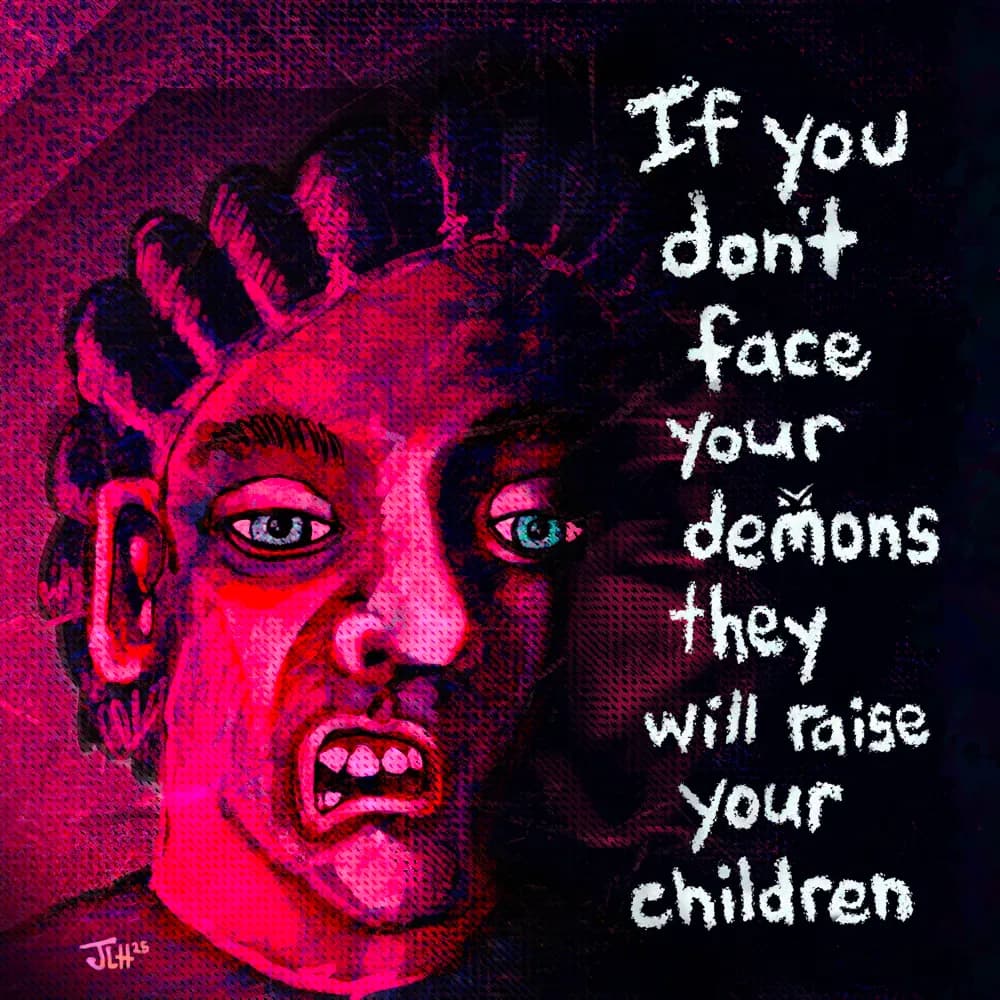
"I did all sorts of damage in the first few years of my children’s lives. I carry deep regrets for some of the things that I did. I have apologized profusely to them for my destructive behaviours and I made my best amends by turning inward to confront my demons."

"Through the process of clearing, we get an opportunity to find out why we became attached (ie: charged, or triggered) in the first place. It’s typically because a thing the person did (or said), or didn’t do (or didn’t say), reminds us of something unresolved from our past."

"I pulled the thread some more and my own work surfaced. I have walked in a thousand dark places, faced my most profound fears, walked into and through my worst physical, mental, and sexual traumas. I developed a capacity to stand in the hottest infernos until they were spent and in that I’ve become an ideal Sherpa for others do the same."

"There are as many ways to manage pain as there are humans, but there are universal themes; ways of being that many can agree on. One of those is the donning of metaphorical masks: a psychological framework to cover up the truth of how we actually feel. We think it’s to protect ourselves from the world but what we are really doing is protecting the world from us. We do it because at some point we learned that our truth was not welcome, not wanted, inconvenient."

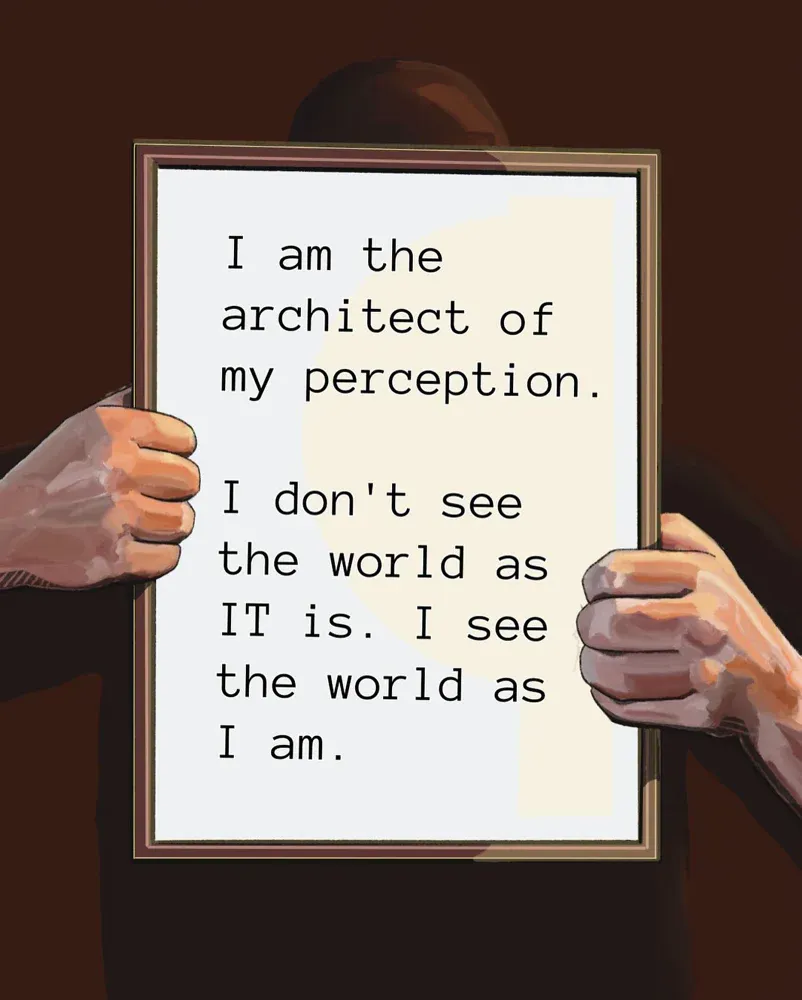
"I realized in that moment that my history was full of moments that I perceived as betrayals. I see how I have operated from the wounding of them in many ways. Each time they happened, my little mind didn’t understand how it could be anything but my fault, so it did the only thing it knew how to do: decide that there must have been something wrong with me. I must have deserved it. As I got older, I leaned on those first perceptions until it just locked in as ‘me’."

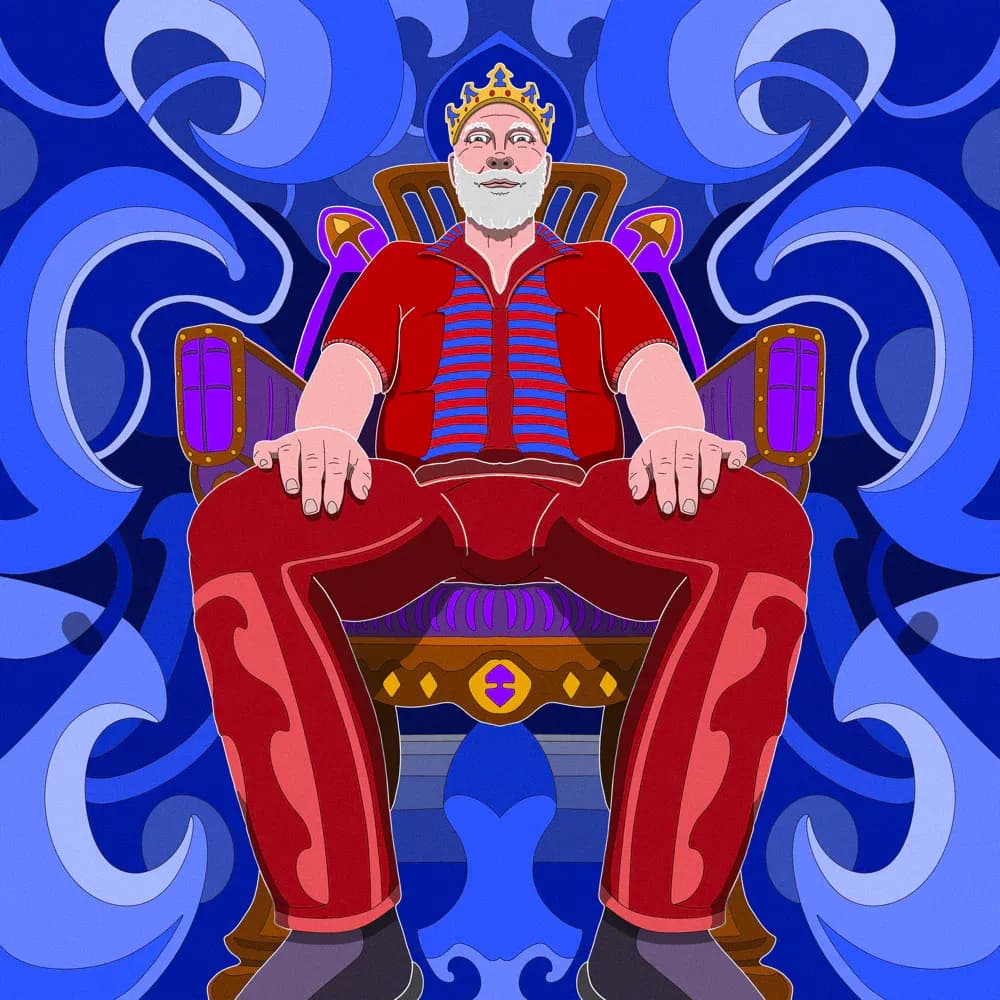
"I’ve spent a lot of my life in the energy of the abdicating king. Probably because the men I grew up around were of the tyrannical sort. Funny how that works. As an abdicator, I was the nice guy; I avoided conflict. I conflated straightforward with tyranny. I became a master manipulator to get what I wanted; wrapped in good humour and a good ear."

"I have spent the last 22 years in deep commitment to my role as a father. It has not been an easy road; the journey has been fraught with peril and challenged me to become so much more than I was at the beginning."

"On Father’s Day, I stood and looked truly. I saw a 50-year-old man: a grey-bearded, somewhat weathered looking individual who was handsome in his own way. The years had been mostly kind to him, and if I saw someone like him going about their day, I’d probably want to know who they were and what they were up to. It was a surprisingly pleasant experience."
"I realized it was keeping me from falling completely down the hole of despair that I believed was waiting to swallow me. It chased me relentlessly, nipped at my heals, drove me forward without pause, stole satisfaction from me upon completion of a task, made me believe that enough was never enough."